An electric drain snake earns its cupboard space if you clear the same sink, tub or shower line more than once a year, or if the clog sits past the trap, where cranking a hand snake turns into a forearm workout. For a plug of hair in the top few inches of a basin it's overkill. A plastic strip and two minutes will do.
Some tool links earn us a commission. As an Amazon Associate I earn from qualifying purchases.
What you'll need
- Cordless 25-foot drain augerMedium
- Bellows sink and shower plungerEasy
- Plastic barbed drain snakeEasy
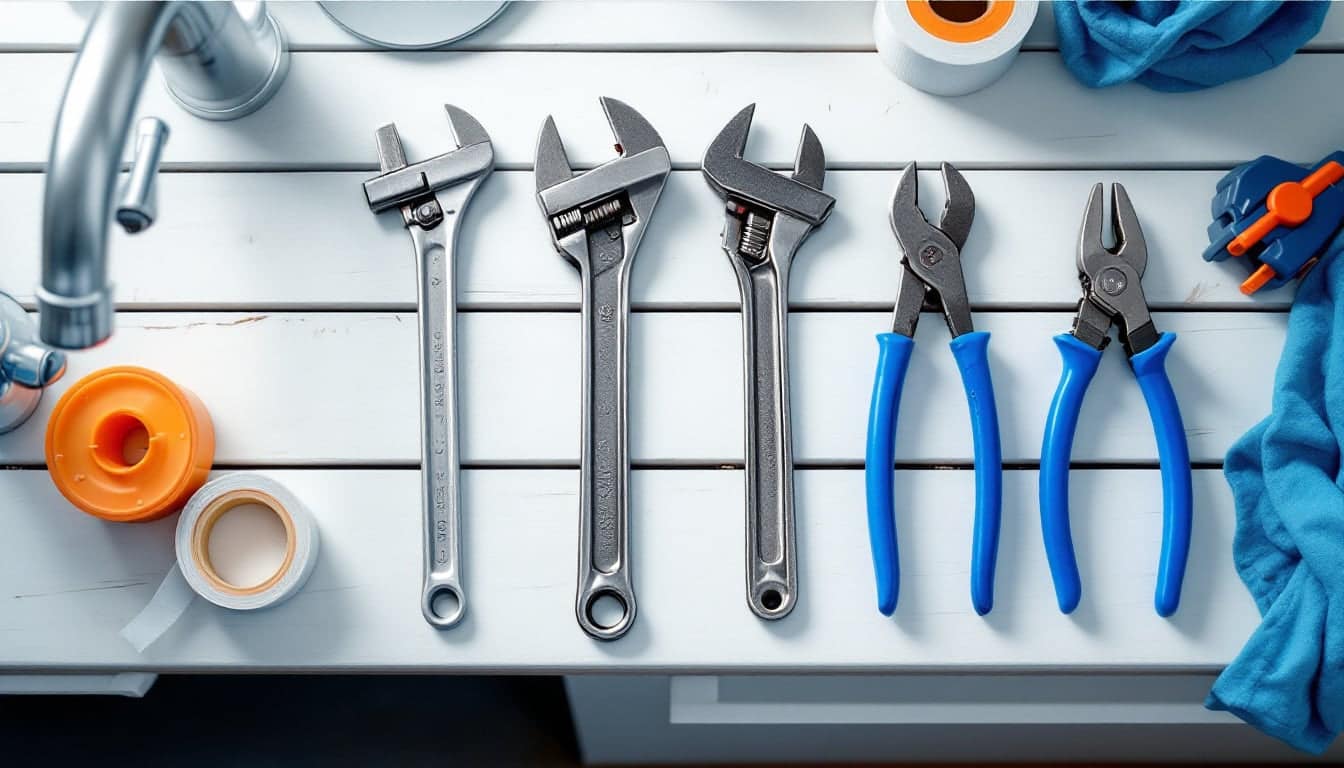
- 10-inch tongue-and-groove pliersEasy
- Beehive-shaped toilet plungerEasy
- 6-foot toilet augerMedium
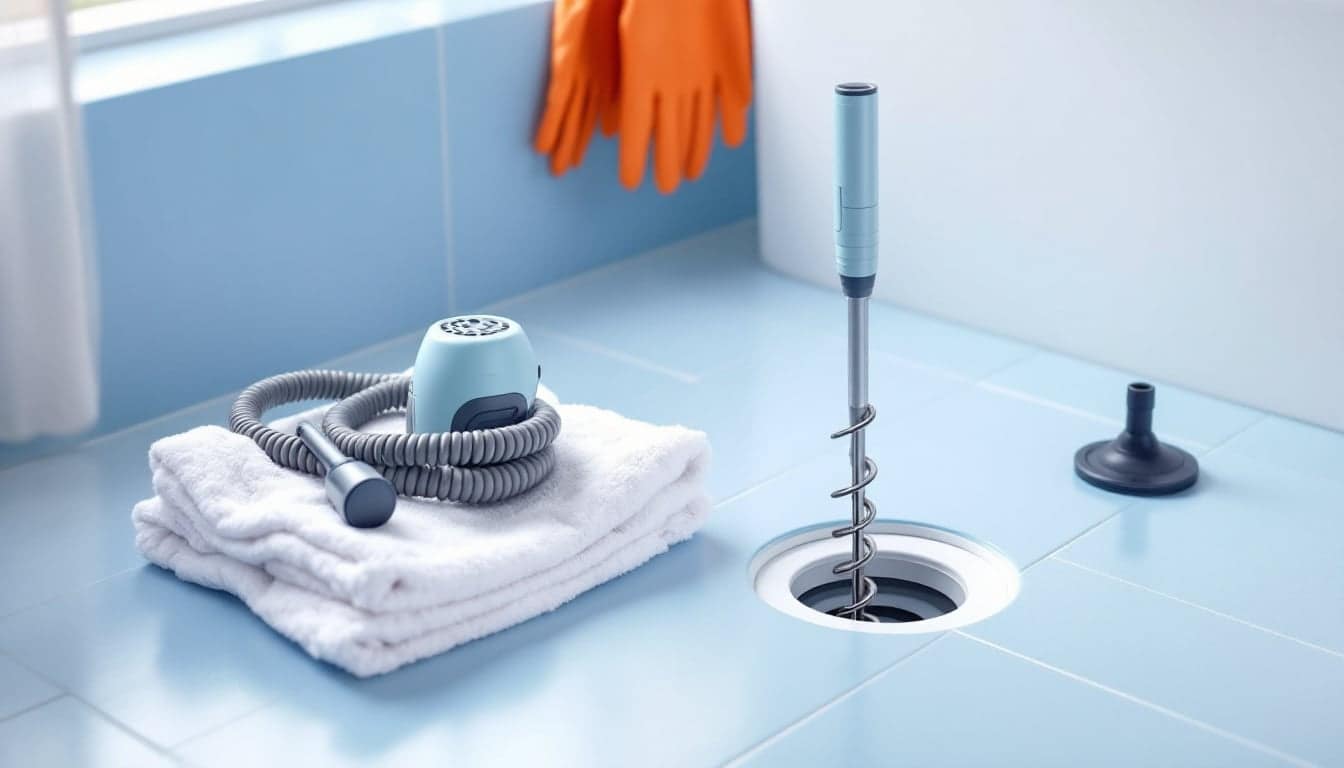
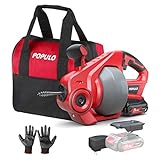 MediumCordless 25-foot drain auger
A battery-powered drum auger for clogs further down a sink or tub line.
Buy on Amazon EasyPlastic barbed drain snake
A cheap barbed strip that pulls hair out of sink and shower drains without taking anything apart.
Buy on Amazon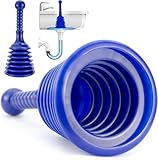 EasyBellows sink and shower plunger
A small bellows plunger for basins, kitchen sinks, baths and shower wastes, where a toilet plunger won't seal.
Buy on Amazon
Picked from specifications and published reviews, not tested by us.
For most houses the answer is a cordless handheld auger with about 25 feet (7.5 m) of 1/4 or 5/16 inch cable. It reaches the sink and tub drains inside the walls and copes with most showers. It does not go in a toilet, and it does not clear a main sewer line. For the first, buy a toilet auger. For the second, rent a drum machine or ring a plumber, and we'll come to which.
Before you buy anything with a motor
A fair number of "I need a power snake" jobs end at step two of this list.
- Plunge it, with the overflow hole covered by a wet cloth so the push goes down the pipe. A bellows sink and shower plunger seals on small, flat drains where a toilet plunger just skids about.
- Pull the hair. Bathroom drains that slow down gradually are nearly always hair on the stopper or under the grate. A barbed plastic strip fishes it out; the bathroom sink guide covers getting the stopper out.
- Open the trap. Two slip nuts and a bucket show you the commonest hiding place. Tongue-and-groove pliers shift nuts that fingers won't.
- Then snake it. If the trap is clear and the water still sits, the clog is in the wall pipe or beyond. That's where a powered auger starts to make sense.
The three kinds of electric drain snake
| Type | Power | Typical cable | Typical reach | Good for | Not for |
|---|---|---|---|---|---|
| Cordless handheld auger | Power tool battery | 1/4 or 5/16 inch | About 25 feet (7.5 m) | Sinks, tubs, showers, laundry lines | Toilets, the main line |
| Drill-powered attachment | Your own cordless drill | Usually 1/4 inch | 15 to 25 feet (4.5 to 7.5 m) | Bathroom sinks and tubs, now and then | Long kitchen runs, toilets, the main line |
| Drum machine (rental) | Mains power, often a foot switch | 3/8 to 3/4 inch | 50 to 100 feet (15 to 30 m) | Floor drains, 3 to 4 inch main lines from a cleanout | Small sink lines, or first-timers |
Cordless handheld auger
A pistol-grip motor with an enclosed drum of cable in front of it. Many have an auto-feed collar that advances or retracts the spinning cable without your fingers touching the steel. That matters: a hand wrapped round a spinning, dirty cable is how a simple job becomes a first-aid one.
This is the one to buy if you're buying one. It fits in a vanity cabinet, the drum keeps the mess inside the tool, and it has the turning force for packed hair and soap well past the trap. A cordless 25-foot drain auger covers the sink and tub lines in a typical house. Check whether a battery and charger come in the box, because plenty of cordless tools are sold bare on the assumption you already own the platform.
Drill-powered attachment
A plastic drum on a hex shaft that you clamp into a cordless drill. The drill spins the drum and you feed the cable by hand. We don't list one in our picks, but the type is common and it will shift the odd bathroom clog.
The catch is control. A drill wants to spin fast, and drain cable wants to spin slowly. Run it in the lowest gear with the clutch set low, so it slips rather than twisting the cable into a knot when the head catches. You also feed with your fingers on the cable, which is exactly the habit auto-feed exists to break. Fine twice a year. Tiresome every month.
Drum machine
The big wheeled machine from the tool rental counter. A heavy drum holds 50 feet or more of thick cable, and on many of them a foot switch runs the motor so both hands stay on the cable guide. It's for main line clogs, reached through a cleanout cap, and for big floor drains.
In untrained hands these are properly dangerous. When the head binds, thick cable stores a lot of twist. Keep the motor running and it loops and whips, which is how wrists get broken. If the rental shop offers to show you the controls, take the lesson.
Cable size by drain
Cable thickness decides where a snake can go. Too thin, and it kinks or coils up inside a big pipe without ever reaching the clog. Too thick, and it won't turn the tight bends in a small one. As a rough guide:
| Drain | Usual pipe size in US homes | Cable | Length |
|---|---|---|---|
| Bathroom sink | 1-1/4 inch (32 mm) | 1/4 inch (6 mm) | 15 to 25 feet |
| Tub | 1-1/2 inch (38 mm) | 1/4 or 5/16 inch (6 or 8 mm) | 25 feet |
| Kitchen sink | 1-1/2 inch (38 mm) | 5/16 or 3/8 inch (8 or 10 mm) | 25 to 50 feet |
| Shower, laundry standpipe | 2 inch (50 mm) | 5/16 or 3/8 inch (8 or 10 mm) | 25 to 50 feet |
| Main line, from a cleanout | 3 to 4 inch (75 to 100 mm) | 1/2 inch (13 mm) or thicker | 50 to 100 feet |
So a 25-foot cordless with 1/4 inch cable handles the first two rows well and the next two at a push. Pipe sizes vary with the age of the house and local code, so look under the sink before you order. A kitchen line can run a long way before it meets the stack, and grease clogs tend to sit well down it; the kitchen drain guide explains why they build up there.
What to check on the box
- Cable diameter and length. The two numbers from the table. Ignore everything else until these fit your drains.
- Auto-feed. Worth having, because it keeps your fingers off the spinning cable.
- Forward and reverse. Reverse is for backing a stuck head out in short bursts, not for doing the job.
- A clutch or torque limit. It slips when the head binds instead of letting the cable wind itself up.
- An enclosed drum. Dirty water stays in the tool rather than on the cabinet floor.
What matters less than the box suggests: top speed (slow is what you want down a drain) and "heavy duty", which is a phrase, not a measurement.
Toolbox
- MediumCordless 25-foot drain auger
A battery-powered drum auger for clogs further down a sink or tub line.
Buy on Amazon - EasyPlastic barbed drain snake
A cheap barbed strip that pulls hair out of sink and shower drains without taking anything apart.
Buy on Amazon - EasyBellows sink and shower plunger
A small bellows plunger for basins, kitchen sinks, baths and shower wastes, where a toilet plunger won't seal.
Buy on Amazon
Picked from specifications and published reviews, not tested by us.
Safety rules that aren't up for debate
- Gloves, the right kind. Leather gloves or the drain-cleaning gloves the manual names. Never loose cloth gloves. Take off rings and roll your sleeves down, because anything that can catch on a spinning cable eventually will.
- Eye protection. The returning cable flicks dirty water about.
- No chemical drain cleaner in the pipe. If someone has already poured caustic or acid cleaner down, don't snake it: the spinning cable throws it straight back at you. Tell the plumber exactly what's in there.
- Never a bare cable in a toilet bowl. It scratches the glaze, leaves grey metal marks you won't scrub off, and can loop inside the trap and jam.
- Keep the slack short. Set the tool as close to the opening as the manual allows, so there's no long loop of cable outside the pipe to whip about.
- Stop the motor before the head comes out. A spinning head leaving a drain is a flail.
- Battery out or plug pulled before you change a head or clean the cable.
And the toilet?
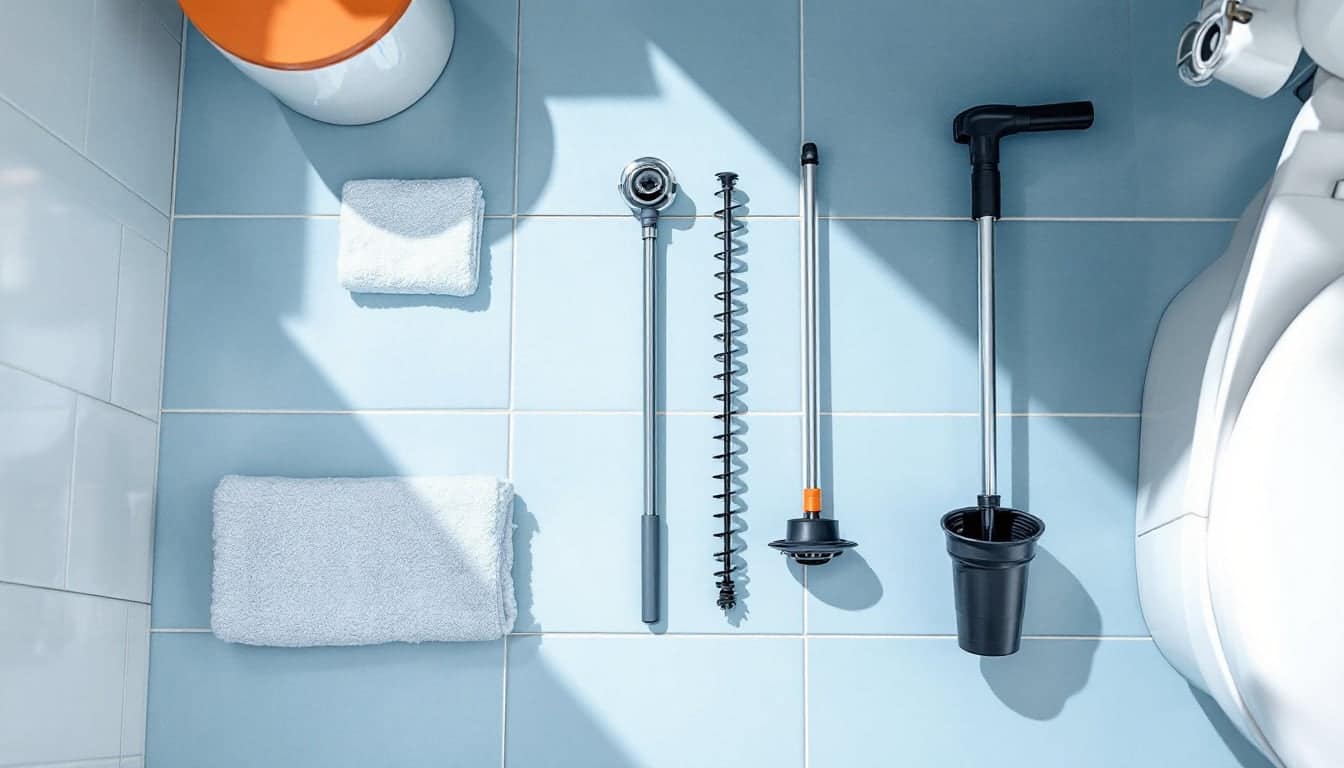
A toilet has its own trap moulded into the porcelain, and it needs a toilet auger: a short cable inside a rigid tube, with a rubber boot that sits in the bowl so steel never touches glaze. It's hand-cranked, which is fine, because the clog is nearly always within the first few feet. Plunge first with a flange or beehive plunger. Our toilet guide covers both, and the drain snake vs toilet auger guide explains why the two tools don't swap.
Toolbox
 EasyBeehive-shaped toilet plunger
A plunger with a stepped cup that seals in round, elongated and low-flow bowls, the first thing to try on a blocked toilet.
Buy on Amazon Medium6-foot toilet auger
A closet auger with a protective boot that reaches past the toilet trap without scratching the bowl.
Buy on Amazon
Picked from specifications and published reviews, not tested by us.
Buy, rent or call a plumber
Buy a cordless auger if you have long hair in the house, an old kitchen line, or a tub that slows every few months. It earns its keep the second time you don't have to wait in for anyone.
Rent a drum machine only if the clog clearly sits in the main line, you have a cleanout you can open, and you're comfortable with heavy, twisting tools. Tell the rental shop your pipe size so they send the right cable.
Call a plumber for most main line trouble. Roots, broken clay pipe and a sagging section feel much the same through a cable, and a plumber can run a camera down afterwards.
FAQ
What's the best drain snake for a shower?
Start with a plastic barbed strip, because most shower clogs are hair sitting just under the grate. If the clog is further down, a cordless auger with 5/16 inch cable suits a 2 inch shower line; 1/4 inch works too if you feed it slowly and don't let it coil.
Can an electric drain snake damage pipes?
It can. Thin old galvanised pipe and loose plastic joints inside walls are the usual victims, and forcing a big head through a small trap can crack it. Let the head do the work, keep the speed down and back off as soon as it binds.
How do I look after the cable?
Run it through a bucket of clean water, wipe it with a rag as it retracts, and leave the drum open to dry before you put it away. Damp cable rusts, and rusty cable snaps at the worst moment, usually about twelve feet down.
A powered auger clears the clog; it doesn't stop the next one. A hair catcher over the shower grate and cooking fat in the bin rather than the sink do more for your pipes than any motor. For the rest, the blocked drains guides go fixture by fixture.
Tools for this job Toolbox: Blocked drains

Owen Pritchard
Owen handles everyday repairs (dripping taps, weak showers, blocked loos) and has firm views on coat hangers, caustic soda and anything sold as "flushable".
General guidance only. Gas, electrical and structural work must be done by a suitably qualified person, and rules differ from country to country.