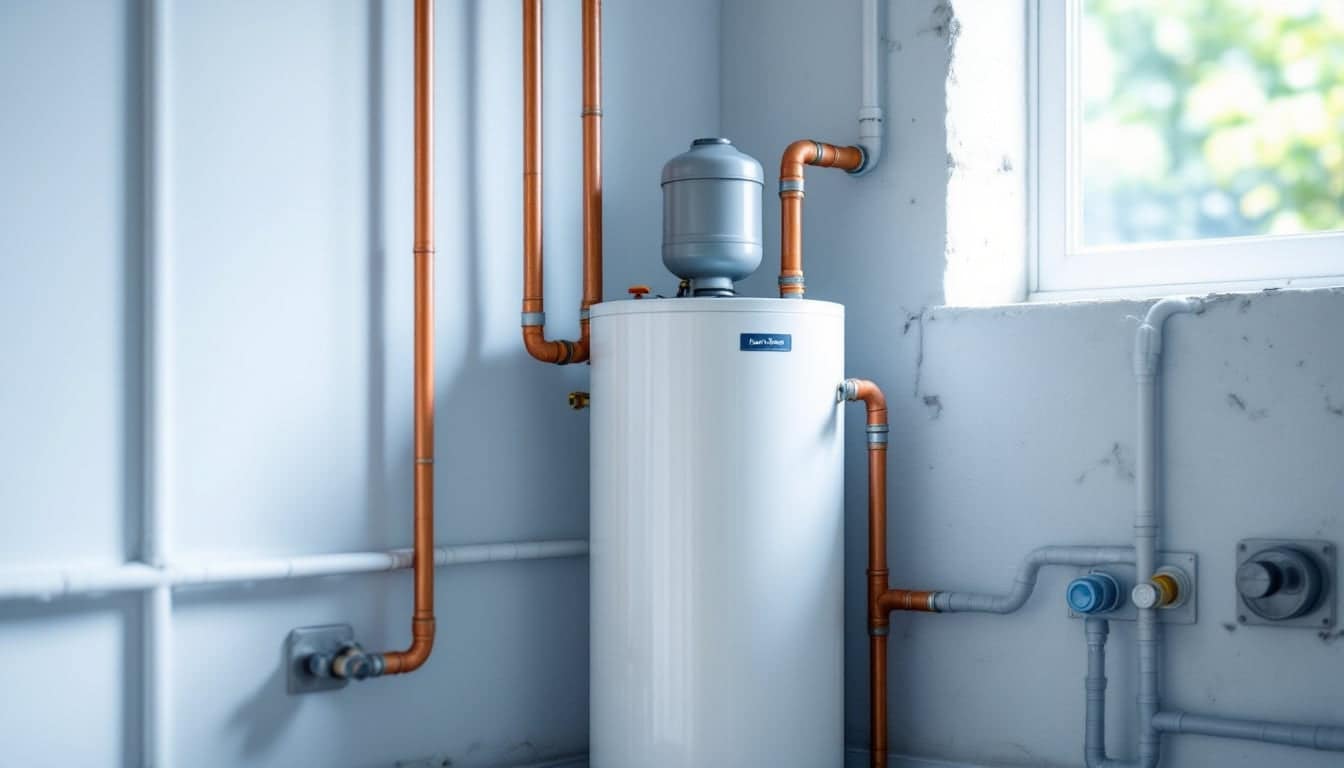
Tankless water heater installation is rarely a simple swap. A tank heater sits on the floor, warms its water slowly and keeps a reserve ready. A tankless unit heats water only while it flows, so it must deliver a large amount of energy within seconds. That single fact explains most of the cost: larger gas pipes, new venting, or an electrical supply many houses simply do not have.
There are no dollar figures below. The aim is to show what the work involves and why, so that when quotes arrive, each line makes sense.
Why a tankless heater needs so much power
The heat needed to warm flowing water follows a short formula: BTU per hour equals flow in gallons per minute, multiplied by 500, multiplied by the temperature rise in °F. The 500 comes from a gallon of water weighing about 8.33 pounds, times 60 minutes in an hour.
Take one 2.0 gpm (7.6 L/min) shower in a northern winter. Groundwater arrives at around 50 °F (10 °C) and the heater is set to 120 °F (49 °C), a rise of 70 °F (39 °C). That shower alone needs 2.0 times 500 times 70, which is 70,000 BTU per hour. An electric unit converts that at 3,412 BTU per kW, so it needs about 20.5 kW. A gas unit at 90% efficiency needs about 78,000 BTU per hour of gas input.
Now add a second shower and the kitchen faucet at 1.5 gpm. That is 5.5 gpm (20.8 L/min), and at the same rise it calls for 192,500 BTU per hour of heat: about 56 kW electric, or roughly 214,000 BTU per hour of gas input. For comparison, the burner on a typical 40 or 50 gallon gas tank is rated somewhere in the 30,000 to 50,000 BTU per hour range. The water heater size calculator works these sums for your own fixtures and incoming water temperature, so run it before anyone quotes.
Two details follow from this. First, the colder your incoming water, the bigger the unit, so the same household needs more heater in Minnesota than in Arizona. Second, most tankless units need a minimum flow before they fire, so a very gentle trickle from a basin tap may stay cold.
Tankless water heater cost: what drives it
Gas line size
Many whole-house gas units are rated at up to roughly 200,000 BTU per hour of input, several times what the old tank burned. The gas pipe is sized for the total load of every gas appliance and the length of the run from the meter, so the half-inch line that fed a tank is often too small. The usual fix is a new, larger line from the meter or the main branch. Sometimes the meter or its regulator also has to be upgraded by the gas utility, which adds a separate appointment to the schedule.
Venting
A tankless gas unit cannot usually share the old tank's flue. Condensing models are efficient enough that their exhaust is cool, so they vent through plastic pipe run out through a wall or roof, and they produce acidic condensate that needs a drain and often a neutraliser. Non-condensing models run hotter and need the stainless steel vent the maker specifies. Either way, the vent termination has to keep set clearances from windows, doors and air intakes, and that can decide where the heater goes.
Electrical supply for electric units
Electric tankless units avoid gas and venting entirely, and pay for it in current. A 24 kW unit draws 24,000 watts divided by 240 volts, which is 100 amps, when it runs flat out, usually split across two or three double-pole breakers with heavy cable as its manual specifies. A house on a 100 amp service cannot carry that on top of everything else. Many 200 amp services can, but only after an electrician's load calculation. Where the panel or the utility's service is too small, a panel or service upgrade comes first, and that can add weeks.
Then look at the flow that current buys. A 24 kW unit produces about 81,900 BTU per hour. At the 70 °F (39 °C) northern rise that is about 2.3 gpm (8.9 L/min), one shower. In a warm southern state with 70 °F (21 °C) incoming water and a 50 °F (28 °C) rise, it is about 3.3 gpm (12.4 L/min), enough for a shower and a bathroom faucet together.
| What it needs | Gas tankless | Electric tankless |
|---|---|---|
| Energy supply | Gas line sized for full input, often larger than the old one | Several large breakers, heavy cable, often more panel capacity |
| Venting | Yes: plastic for condensing, stainless for non-condensing | None |
| Other services | A standard outlet for controls and fan; condensate drain on condensing units | None beyond the circuits |
| Flow in a cold climate | High; whole-house use is realistic | Limited; one or two fixtures at a time |
| Trades | Plumber and licensed gas fitter, sometimes an electrician | Licensed electrician and a plumber |
Location and water connections
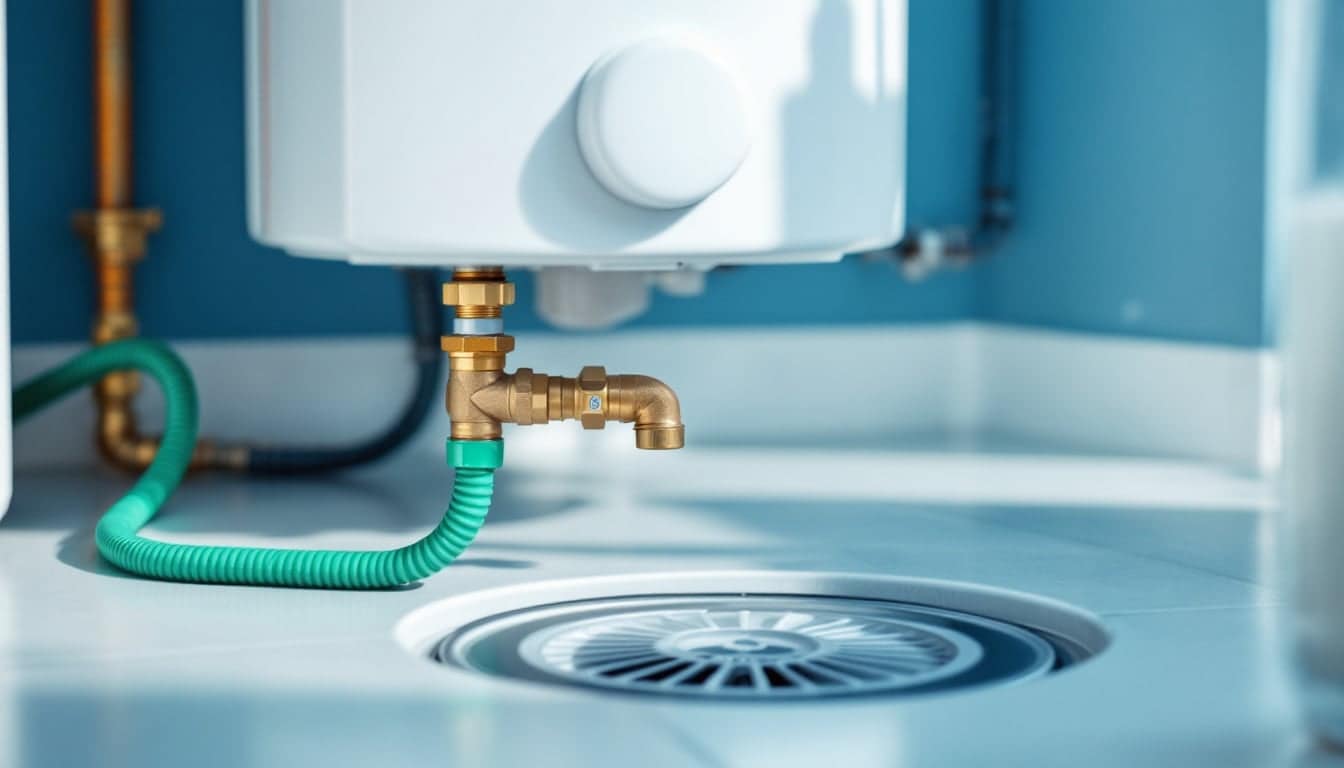
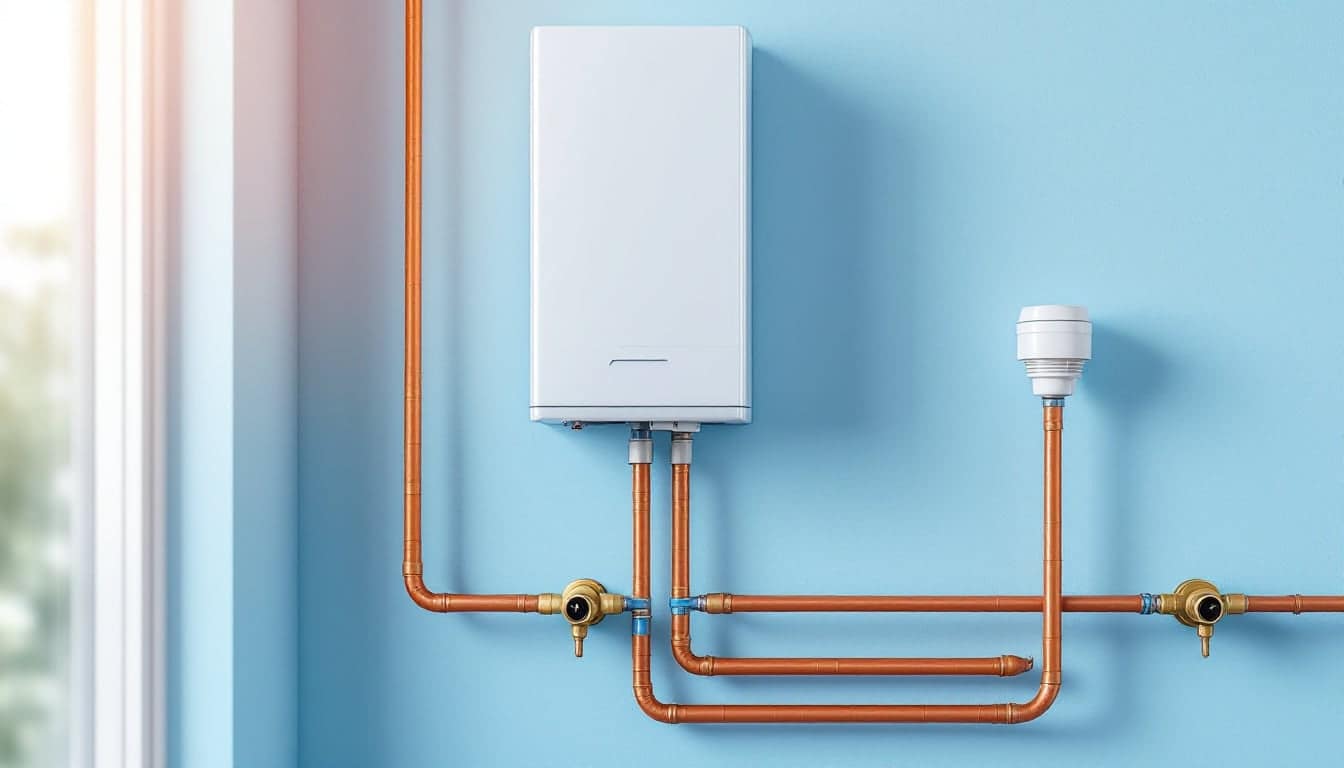
Moving the heater costs more than fitting it where the tank stood. Wall-mounting frees floor space, but the new spot needs the gas or electrical supply, a vent route, and a drain for the relief valve. Outdoor models skip indoor venting but need freeze protection in cold areas. The installer should also fit isolation valves with service ports on the hot and cold lines, so the unit can be descaled without cutting pipes.
Water quality and scale
A tankless heat exchanger is a coil of narrow tubes running at high temperature, and that is where hard water leaves its scale first. Flow drops, the unit overheats internally and starts throwing codes. Many makers set water quality limits in their warranty terms, so read them before installing in a hard water area.
There are two defences. One is treatment upstream: a whole-house water softener, or a scale control system, discussed in the guide to salt-free and salt-based water softeners. The other is routine descaling through those service valves with a small pump kit, described step by step in how to flush a water heater. In hard water, plan on both.
Why most installs need licensed trades
Almost every part of a whole-house tankless installation falls under trades that are licensed: gas piping and venting for a plumber or gas fitter, new circuits and panel work for an electrician. Most towns require permits and inspections for each, and the rules differ by state, so the installer should know the local code. A wrongly sized gas line starves the burner; a poorly sealed vent can let combustion gases into the house; undersized cable on a 100 amp load is a fire risk. These are not DIY jobs. The parts a homeowner can sensibly do are choosing the right size, checking water hardness, and the yearly descaling once the valves are in.
Labour time
Times vary widely with the house, but as a guide:
- Tankless replacing tankless, same spot, same fuel: a few hours.
- Gas tank to gas tankless: commonly a full day, sometimes two, with the new gas line and vent, plus the inspection.
- Electric tank to electric tankless: half a day for the plumbing, and a day or more for the electrician if new circuits or a panel upgrade are needed. A utility service upgrade can add weeks of waiting.
Questions to put to an installer
- What flow will the unit deliver at my winter temperature rise, not its headline maximum?
- Does my gas line, meter or electrical panel need upgrading, and who arranges it?
- Where will the vent terminate, and what clearances apply?
- Are isolation valves and a condensate neutraliser included?
- Who pulls the permits and attends the inspections?
- What does the warranty require on water hardness and maintenance?
If the answers point to a long, expensive conversion, compare them with a modern tank, high-efficiency gas or heat pump, using the guide to water heater replacement cost.
Work it out Water heater size calculator

Selin Aydemir
Selin writes about central heating: combi boilers, radiators, underfloor loops and the small habits that keep a sealed system running quietly. She likes explaining why a fault happens before saying what to do about it.
General guidance only. Gas, electrical and structural work must be done by a suitably qualified person, and rules differ from country to country.